

WELCOME TO CREATIVE BOX
Design Is a Business Tool, Not an Aesthetic Exercise

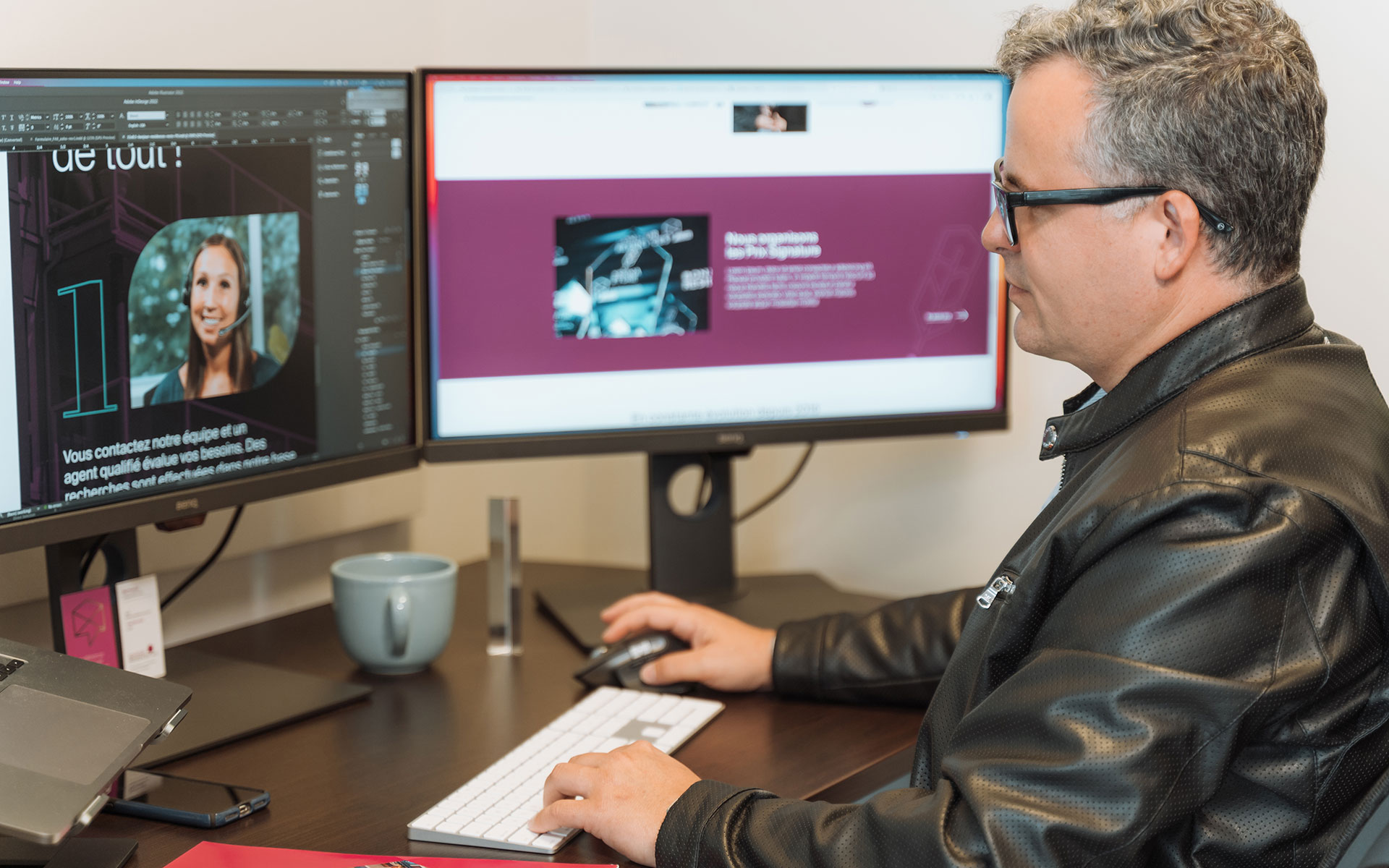
Beyond Beauty
Design is often misunderstood as decoration. Many companies treat branding as a cosmetic layer added after operational decisions have already been made. They assume that as long as the visuals look modern and refined, the brand will perform well.
But design is not an accessory. It is a business tool.
Every visual element communicates something — about credibility, quality, positioning, and standards. Design shapes perception before a single word is read. It influences whether a brand feels premium or generic, established or emerging, trustworthy or uncertain.
Strategic Design Communicates Intention
When design is rooted in strategy, it becomes intentional. Typography choices reflect tone and authority. Color systems support emotional positioning. Layout structure reinforces clarity. Even spacing communicates discipline and professionalism.
Strategic design reduces cognitive friction. It guides the viewer. It supports hierarchy. It enhances comprehension. Rather than competing with the message, it strengthens it.
Clarity informs design decisions. Strategy aligns them. Purpose gives them meaning.
Without this alignment, design may look attractive but fail to perform. With it, design becomes an amplifier of positioning and a silent ambassador of the brand’s values.
Enduring Design Reflects Conviction
Trends shift quickly. What feels modern today may feel outdated tomorrow. Brands built purely around trends require constant reinvention. Brands built around conviction evolve more naturally.
Enduring design is grounded in clarity and purpose. It adapts without losing identity. It maintains coherence across platforms and over time.
When design is treated as a strategic asset rather than a stylistic choice, it supports long-term growth. It becomes part of the business infrastructure — not just its appearance.
journal




creative
box

